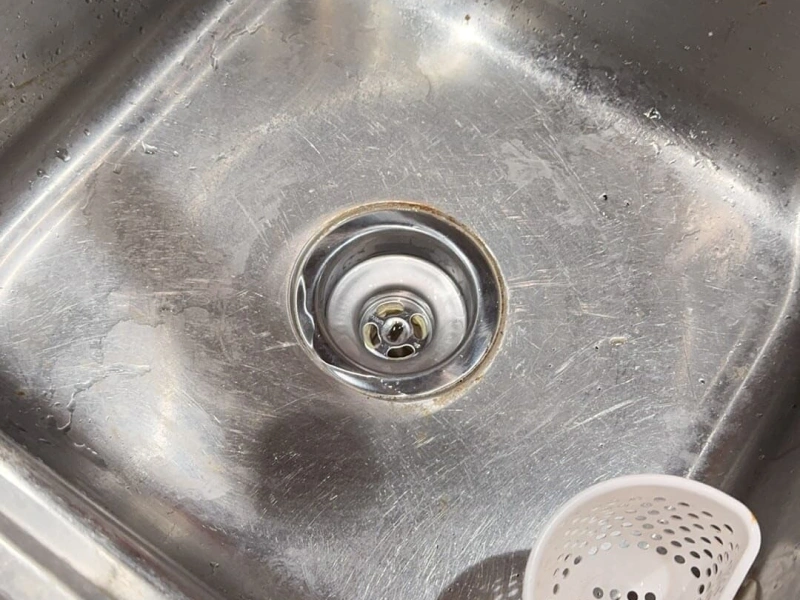
Early Warning Signs of Drain Problems
Most homeowners in the Lehigh Valley don’t notice their drains deteriorating until the problem becomes urgent. Water pooling around your ankles during a morning shower, a kitchen sink that refuses to empty after dinner prep, or an unpleasant smell rising from the basement floor drain are all signals that something deeper is wrong. These symptoms rarely appear overnight. Instead, they develop gradually as buildup accumulates inside your pipes.
Slow drainage is typically the first red flag. When water lingers in a sink or tub longer than usual, it indicates that soap residue, hair, grease, or other materials are narrowing the pipe diameter. Gurgling or bubbling sounds from drains or toilets suggest air is trapped behind a partial obstruction, forcing its way past the blockage. Persistent odors, even after thorough cleaning, point to organic matter decomposing inside the line. When multiple fixtures back up simultaneously, the clog has likely moved beyond individual drains into your main sewer line. Water backing up through floor drains or appearing in unexpected places when you run appliances signals a serious blockage that requires immediate attention. Ignoring these early indicators can lead to water damage, mold growth, and expensive pipe repairs down the road.
What Causes Backups in Your Pipes
Clogs form slowly as everyday materials accumulate inside your plumbing. In Easton kitchens, grease and cooking oil are among the most common culprits. Liquid fats pour easily down the drain, but as they cool, they solidify and coat pipe walls, trapping food particles and creating a sticky barrier that grows thicker over time. This problem intensifies during the holiday season, when large family gatherings generate more cooking waste than usual.
Bathroom drains face different challenges. Hair combines with soap scum to form dense clogs in shower and tub lines. Even small amounts of hair, when mixed with the residue from shampoo, conditioner, and body wash, can create surprisingly stubborn blockages. Kitchen garbage disposals, while helpful, cannot prevent every type of buildup. Coffee grounds, eggshells, fibrous vegetables, rice, and pasta can slip past the blades and accumulate further down the line, eventually forming a plug.
Items that should never enter the plumbing system cause some of the most severe backups. Wipes marketed as flushable, along with paper towels, cotton products, and hygiene items, do not break down like toilet paper. They snag on rough spots inside pipes and collect other debris. In older Lehigh Valley neighborhoods, tree roots exploit small cracks and joints in underground sewer lines, working their way inside and expanding as they seek moisture and nutrients.
The Limits of DIY Solutions
When a drain slows or stops, many homeowners reach for a bottle of chemical cleaner or a plunger from the hardware store. These quick fixes might restore flow temporarily, but they seldom address the underlying cause. Chemical drain cleaners rely on harsh acids or alkalis to dissolve clogs, but repeated use can corrode older pipes, damage rubber seals, and weaken joints. The chemicals often flow past the blockage without fully clearing it, leaving most of the buildup intact.
Plungers can dislodge minor obstructions near the drain opening, but they lack the reach and force to clear deeper clogs. Store-bought mechanical snakes and augers offer more reach, yet they typically punch a small hole through the center of the blockage rather than removing it completely. Grease, soap scum, and mineral deposits remain clinging to the pipe walls, ready to catch more debris and re-form the clog within days or weeks. This cycle of temporary relief followed by recurring backups wastes time and money while the real problem continues to worsen.
Without the proper tools and training, it’s difficult to know where the blockage is located, how severe it has become, or whether the pipe itself is damaged. A licensed plumber can diagnose the root cause, clear the entire obstruction, and inspect the line for cracks, corrosion, or intrusions that home remedies cannot detect or repair.
Professional Clearing Methods That Last
Modern drain clearing techniques go far beyond the capabilities of household plungers and chemicals. Licensed plumbers use specialized equipment designed to remove blockages at their source and restore pipes to nearly original capacity. Motorized drain augers, also called drain snakes, feature flexible cables with cutting heads that can navigate bends and breaks up clogs in kitchen sinks, bathroom drains, tubs, showers, toilets, and floor drains. These tools reach deep into the plumbing system and pull out or break apart the accumulated material.
For stubborn clogs and heavy buildup, hydro jetting delivers superior results. This method uses high-pressure water, typically between 3,000 and 4,000 pounds per square inch, to scour the interior surfaces of your pipes. The pressurized stream breaks down grease, soap scum, mineral deposits, and even tree roots, flushing everything out of the system. Unlike mechanical snakes that leave residue behind, hydro jetting restores the full diameter of the pipe, reducing the likelihood of future clogs and improving overall flow.
Preventative maintenance is another advantage of working with a qualified plumber. Routine inspections and cleaning catch minor buildup before it becomes a major blockage, saving you from emergency repairs and water damage. When a clog resists standard clearing methods, video camera inspections can pinpoint damage, cracks, or root intrusions that require sewer line repair or replacement. Emergency services are also available around the clock, because clogs don’t respect business hours.
Finding the Right Plumber in Easton
Choosing a plumber to clear your drains involves more than picking the first name from a search result. Look for a company with proper licensing and a track record of serving the Lehigh Valley. Licensing ensures that technicians have met state training and safety standards, and it provides you with recourse if something goes wrong. Ask whether the company carries liability insurance and workers’ compensation coverage to protect your property and the crew.
Availability matters, especially during emergencies. A company that offers 24/7 service can respond when a backup happens late at night, on a weekend, or during a holiday. Read customer feedback and ask neighbors for recommendations. Consistent reviews mentioning prompt arrival, clean work, and lasting results indicate a company that values quality and customer satisfaction.
Transparency in pricing and service is another key factor. A reputable plumber will explain what they found, describe the recommended solution, and provide a clear estimate before starting work. They should also discuss preventative measures to help you avoid future clogs, such as regular maintenance schedules or simple habit changes. Local knowledge is an advantage. A plumber familiar with Easton and the surrounding communities understands the common issues in older neighborhoods, seasonal demand patterns, and the specific challenges that Lehigh Valley homeowners face. If you’re experiencing slow drains, strange odors, or recurring backups, reach out to a local licensed plumber for an inspection and lasting solution.